Decide what's worth doing
Everything you're juggling, assessed, then a clear call on what to do, park and drop.
I weigh every project on impact, effort, dependencies and risk, and give you a recommendation. You get a decision, not a menu of options.
Running a software company is bloody hard work and when everything lands on you, the projects that matter most are the first to fall down the list. I take ownership, deliver the impactful projects and advise which to drop.
Fractional Delivery Partner for Software Founders


6,500+hours given back to clients since 2022
10 monthsaverage length of a client relationship
20+projects delivered for clients
There's the tool migration you've been meaning to do for 3 months. The process that you're reminded to document every time your team delivers the wrong output. The three new ideas you started this month, sitting next to the five you started last quarter.
Every one of them is a good idea which is why it's so hard to drop any of them. You keep pushing forward and now every decision is still coming to you and your team keeps asking the same questions in different places.
You tell yourself you'll sort it out when things calm down, but they never do, do they? Meanwhile, the project that would meaningfully move your business forward sits at number eight on the company board that no one has properly reviewed in weeks.
A list full of good ideas is the sign of a founder with vision. It just needs someone whose job it is to see the right ones through, and that's what I do for you.
Primarily, you stop stressing about the fact there is heaps of untapped potential you & your team can't access.
Instead of development meetings that turn into problem sessions, they're concise and finish with a set of decisions. Instead of a long list of internal projects acting like company tech debt, you have a clean list of commercially prioritised projects with clear plans and next steps. Your team now has the capacity to get ahead of problems instead of reacting to them, to look after customers better, and solve hard problems.
Your time goes on product, customers, and the strategy for the next 12 months. It's a unique kind of relief that I deliver.
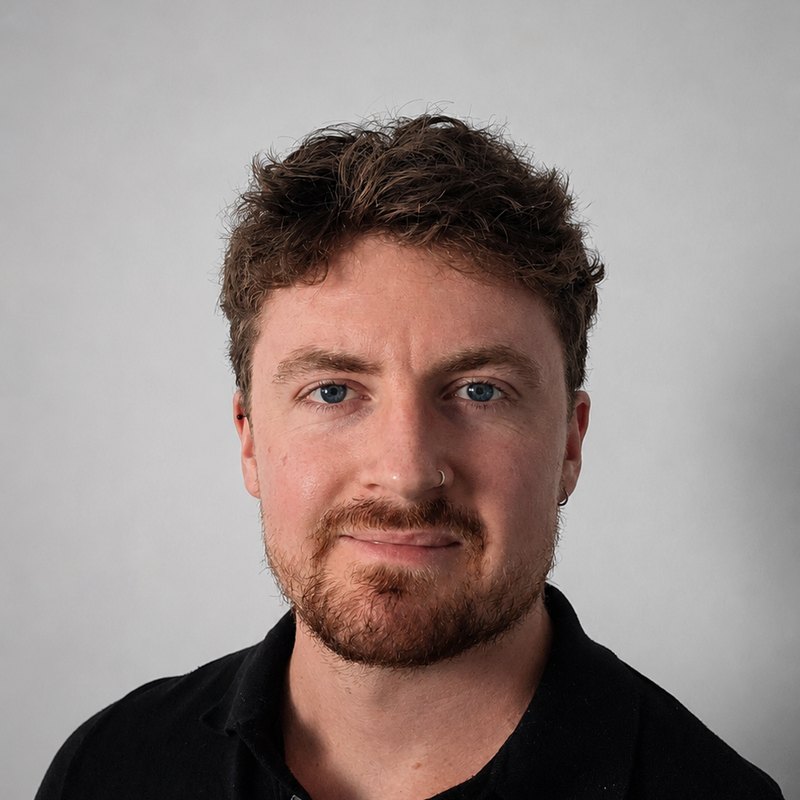
I know exactly what it's like to have more good ideas than hours, and a list of wishful projects I dread to open.
The difference is what I've spent my career doing. I've been a digital project manager for more than half a decade, an executive assistant to founders, and I've worked on the operations and sales side of small businesses. For the last few years I've sat side by side with founders of teams under 20 and helped them work out what to do first, what to leave, and how to get it done.
I don't come in with a specific framework to sell you. I audit what's actually important to your goals and company progression, work out the benefits, risks and dependencies, and give you a clear next step. Then I deliver it for you whilst keeping you informed every step of the way.
The moment I enjoy most is when someone says the project was sitting there for six months and now it's just 'done'.
Four things I lead for founders, backed by more than 5 years of delivery expertise. Most start with the first.
Everything you're juggling, assessed, then a clear call on what to do, park and drop.
I weigh every project on impact, effort, dependencies and risk, and give you a recommendation. You get a decision, not a menu of options.
The meaningful change you've been avoiding, led from “someday” to done.
I own a tool move, process fix or half-built system from scoping to handover, and I bring in and manage a specialist for anything technical.
One clear way of doing it, in fewer places.
I map how work actually flows, choose the right tools for a team your size and lead the rollout, so people stop asking the same questions in three places.
A weekly delivery review so your top three stay the top three.
I run the cadence, report progress and risks to you directly, and flag early when something is slipping. You stay on what only you can do.
Here's what happens from the first call to The Focus Sprint handover, presented in true project manager fashion with a process map. The top row is where I need your input, and it's mostly decisions. The bottom row is mine, the work.
YouShare your list. A 20-minute call, messy list welcome.
MeI'll tell you whether I can help and what to send over next.
You get: a straight answer on whether it's a fit.
YouBook the Sprint to get yourself unstuck.
MeAudit the list and score each project.
You get: a scored inventory of everything on your plate.
YouDecide. Do, park or drop, in the first workshop.
MeRecommend. A clear call on each project.
You get: a do / park / drop list and your top three.
YouTake the handover. Everything written down.
MeWrite the plan. 90-day roadmap, tools, processes.
You get: a roadmap, process and tool recommendations, and a written handover.
YouWeekly review. Make the calls that are yours.
MeRun the work. I own it and manage specialists.
You get: projects moving without you in the middle.
Explore ongoing supportWe spend 20 minutes on what's on your list and what has been stuck the longest. I'll tell you whether I can help and what to send over next.
You get: a straight answer on whether it's a fit.
I go through every project and idea you're juggling and score each one on impact, effort, dependencies and risk, so nothing is decided on gut feel.
You get: a scored inventory of everything on your plate.
In the first workshop I bring a recommendation on every project and you make the call: do, park or drop. We agree your top three.
You get: a do / park / drop list and your top three.
I write a 90-day roadmap with owners and dates, plus recommendations on the processes and tools that will help it stick. A second workshop walks you through it, then I hand it all over.
You get: a roadmap, process and tool recommendations, and a written handover.
Optional. If you want it carried through, I take ownership of your initiatives, run a weekly delivery review and manage any specialists. You make the two or three calls that are really yours.
You get: projects moving without you in the middle.
Explore ongoing support£1,500 to finally get your business unstuck and in motion again.
Let's talk→Problems identified, plans made, solutions delivered.
Open a notebook to read the story
A founder was running all client and operational data through Excel. There was no single place to find anything, and nothing was automated.
I ran an audit and found the real need was a CRM built for service-based businesses. I led the move to Dubsado, including the data migration and automations.
Everything now lives in one place, and 5 hours a week of manual admin was saved.
A SaaS company’s users kept asking for system help, and the questions flooded their support desk. Customers had training sessions but no quick guides to go back to.
I broke the product into actionable sections, reviewed the options and chose the right tool, then produced full system guides for users.
Customers now get detailed help articles and guides inside the product itself, and help desk emails requesting training dropped 50%.
A SaaS company needed its customer data in one place so it could track support queries and bring them down.
I led the helpdesk migration from Freshdesk to HubSpot Service Desk, their CRM. I set up portals, documentation and automations, and trained the team.
Customer information is tracked in one place, automations cut manual admin, and identifying repeat problem areas is far more efficient.
That's the point. The sprint is short and fixed, and most of the work happens without you. I need a few hours of your time over two weeks, mostly to make decisions. The time you spend now buys back a lot more.
You might need to eventually. But hiring before you know what the business should be working on means paying someone to carry the same pile. The sprint tells you what you actually need.
Sure. It can tell you what to do first, but it won't chase the decision you've been avoiding for six months, notice that a project is stalling, or hold you accountable. It also won't know that the CRM migration is blocked because one person on the team is overwhelmed, or step in with a specialist to get it built. Accountability, experience, context and follow-through are what my clients hire me for.
No, and I'll say so plainly. I scope the work, choose the approach and make sure it gets done. When something needs a technical specialist, I bring in someone who does it properly and manage it for you.
Then the plan is built around that. The aim is for fewer things to be in motion, not more. Some of what you're doing right now will end up in the “park” or “drop” column.
You leave with everything written down and can run it yourself. If you'd like me to keep your top three moving, I offer an ongoing retainer. That's optional.
Not quite. I do plan and track work, but my job is to help you decide what's worth doing in the first place. Most of the value comes before the project plan.
You don't need a plan to get in touch. That's what I build out for you. A complementary call is our starting point to identify the precise way I'll take on your delivery.